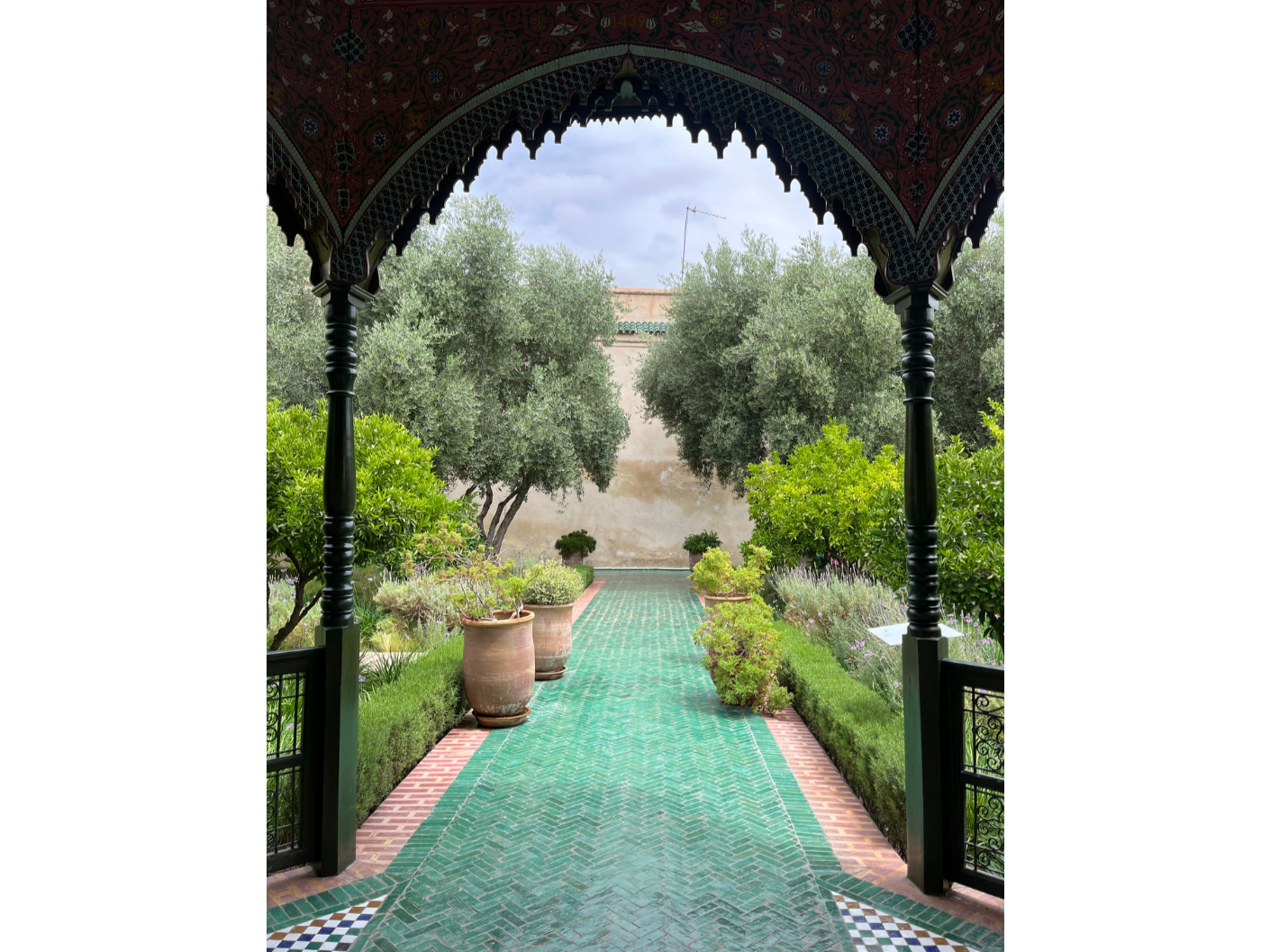
The Garden Between Us
This talk was given for Somerville College’s Choral Contemplation on 17 May 2026.
The garden in question does not have sole ownership. It is not my garden. And it isn’t your garden. It is the garden between us.

A Cafe Conversation on God
So another day, another cafe in Hoi An, Vietnam. I have plans to meet my embroidery teacher at a new cafe. She told me a young girl who saw her painting at the cafe one day, might join us. She’s now her painting teacher. She told me a young girl who saw her painting at the cafe one day might join us. She’s now her painting teacher. When I arrive, they’re painting with watercolours. I can’t remember the last time I painted anything.

On Spiritual Intensification, Consumption, and the Logic Governing Our Ramadan
Ramadan is a sacred month of intensification and embodied learning, formed through action rather than concepts. Fasting disciplines appetite. Staying up late in worship shifts sleep. Desire is restricted. Qur’an recitation and charity increase. Devotion deepens. The body is placed under limitation. The month slows the self in order to refine awareness of our reliance on God.

How Harm Becomes Systemic: Abuse in the Muslim Education Industrial Complex
Over the past decade, repeated cases of abuse and harm have surfaced in American Muslim communities from prominent religious teachers who have abused their positions of authority and responsibility. Each instance carries its own context, its own details, its own immediate fallout, and while the particulars are different, the responses are patterned.
The Longest Night: On Religious Learning and Practice
As the winter solstice arrives, the light does not rush back. It returns slowly, almost imperceptibly. This is an invitation to use the winter season as a time to pause and reflect. As Ramadan approaches, focusing that reflection on the religious learning systems that are forming us is particularly relevant.
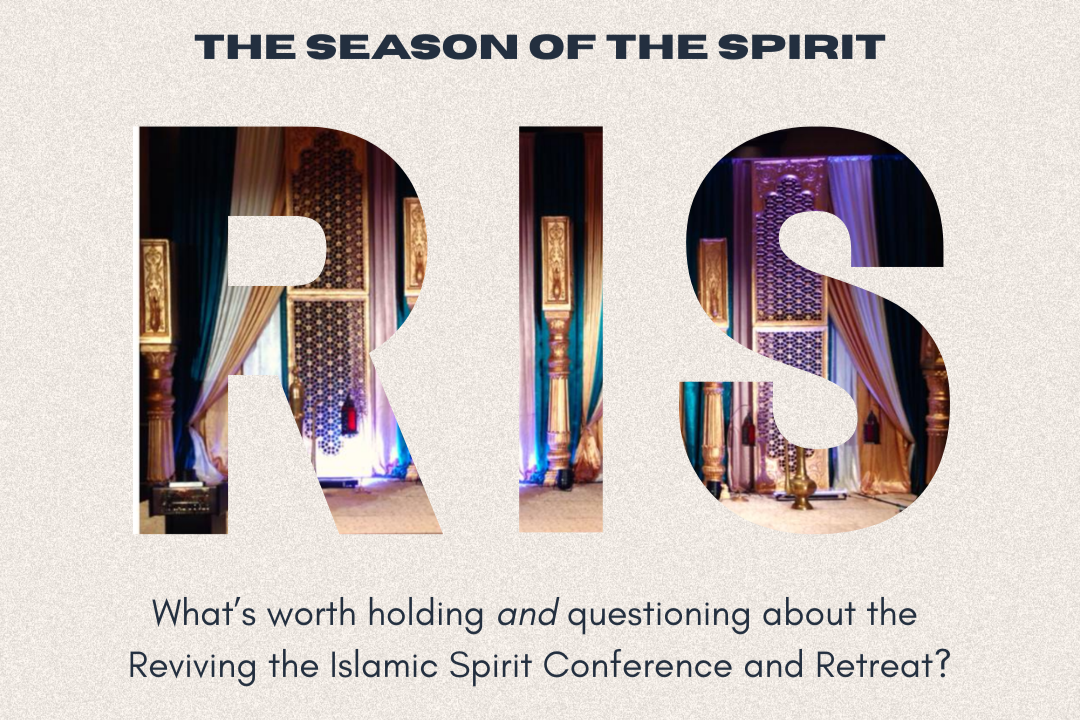
The Season of the Spirit: What’s worth holding and questioning about the Reviving the Islamic Spirit Conference and Retreat?
Large conferences shape more than schedules and speaker line-ups. They shape how religious authority is seen, how learning is organised, and the direction in which we’re formed. This reflection isn’t about whether to attend. It’s about asking what our learning structures are producing, at what cost, and what responsibility we carry within them.

Reciprocity in Reflection
“Everyone wants the village, but they don’t want to be a villager.”
The phrase has been circulating on social media and for good reason.
A myriad of social and technological factors have deepened our longing for community, while at the same time leaving many unsure of how to do the work, or unwilling to bear the sacrifices, that sustaining real community requires.

Living the Work: Practising What We Know
“I don’t really care about this industry,” a friend recently told me. “What matters is helping people do the right thing.”
Lately, I’ve been thinking about what it means to build a career that honours knowledge of something and practice for something.
For many of us, both matter. Subject expertise gives depth and context; it grounds us in a field of knowledge.

Leadership Wisdom Beyond Business Books
“What’s the last business book you’ve read?”
Someone asked me this recently. After a beat, I realised I couldn’t name one.
It’s not because I’ve stopped reading (the librarians in the NYC libraries of my childhood would still be proud) but because the work I do doesn’t often start with traditional business books.

Reclaiming Inner Authority in a Time of Disillusionment
A few days ago, I came across a post that said:
“These times will keep reminding you over and over again that no one out there is your saviour… especially people in positions of authority. If you keep putting people on pedestals, the universe will keep engineering situations where they disappoint you so that you can reclaim your disowned power.” Xavier Dagba

What My Research on Religious Authority Teaches Us About Leadership, Learning, and Impact
I’ve been reflecting on what my research on religious learning in American Muslim communities can teach us about narratives, leadership, and organisational learning.
Here are seven key insights drawn from my latest book, insights that apply far beyond religious spaces and speak directly to…